







Call Victoria Trail Dental at (780) 540-8005 or request your appointment online for TMJ Therapy appointment. We look forward to providing patient-centred dental care designed to support healthy smiles at every stage of life.
TMJ Therapy to Support Jaw Comfort and Function in Northeast Edmonton

At Victoria Trail Dental, TMJ therapy focuses on assessing and managing discomfort related to the temporomandibular joint. Issues affecting this joint can contribute to jaw pain, stiffness, headaches, and difficulty with everyday movements such as chewing or speaking.
TMJ concerns vary from person to person. Our team takes a personalized approach to care, with the goal of supporting jaw function, reducing discomfort, and improving overall oral comfort.
Understanding the Temporomandibular Joint
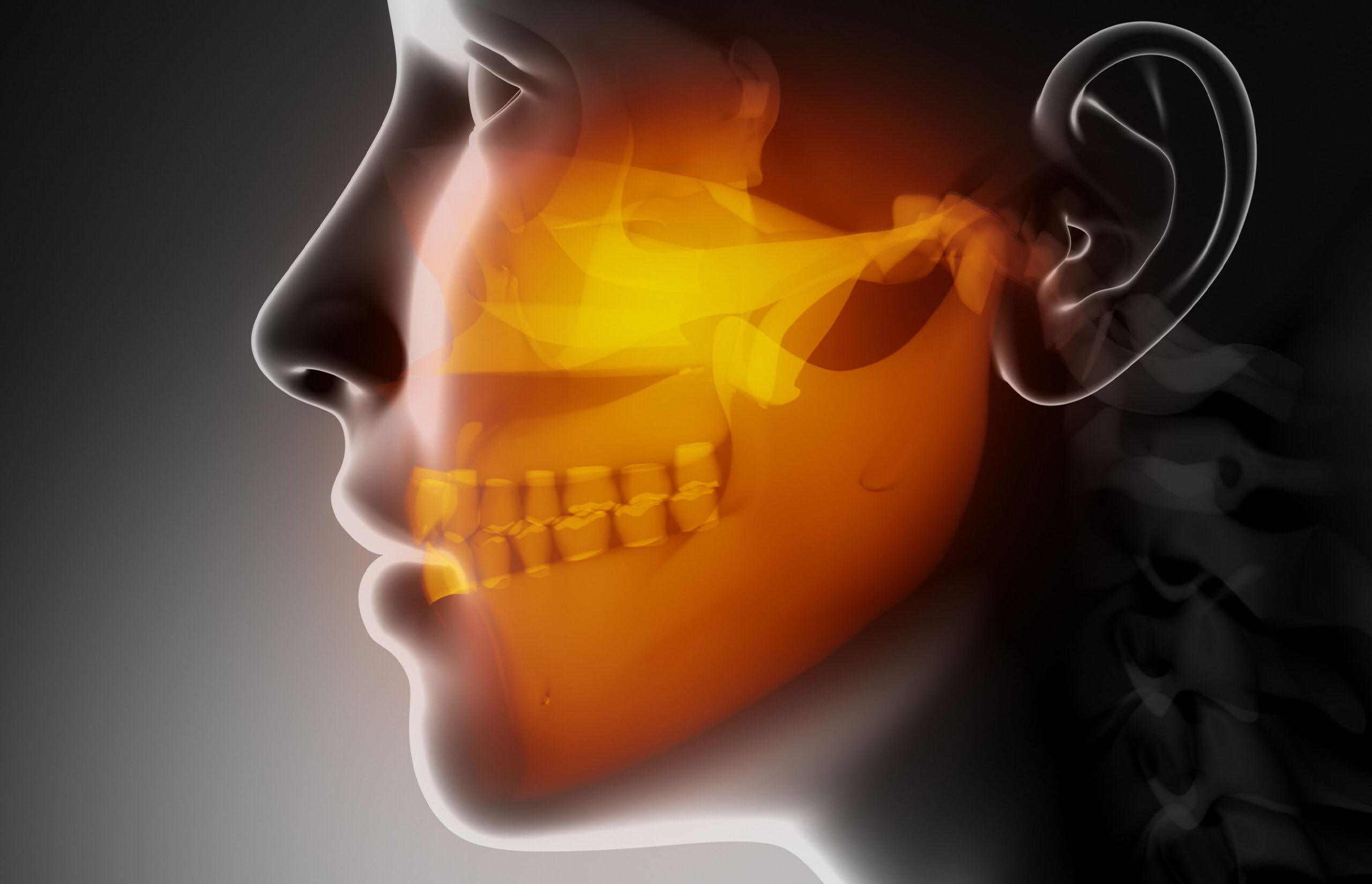
The temporomandibular joint connects the lower jaw to the skull and plays an essential role in speaking, chewing, and jaw movement. Because this joint is used frequently throughout the day, it can be sensitive to strain, muscle tension, bite imbalance, or habits such as clenching or grinding.
When the TMJ or surrounding muscles are under stress, symptoms may develop gradually or appear intermittently.
Common Signs of TMJ- Related Concerns

TMJ-related issues may present in different ways. Symptoms can include:
- Jaw pain or tenderness
- Clicking or popping sounds when opening or closing the mouth
- Difficulty opening fully or jaw stiffness
- Facial tension or soreness
- Headaches or pressure around the temples
- Neck or shoulder discomfort
- Ear discomfort or a feeling of fullness
- Changes in bite comfort or alignment
A dental assessment can help determine whether TMJ-related factors may be contributing to your symptoms.
TMJ Therapy at Victoria Trail Dental
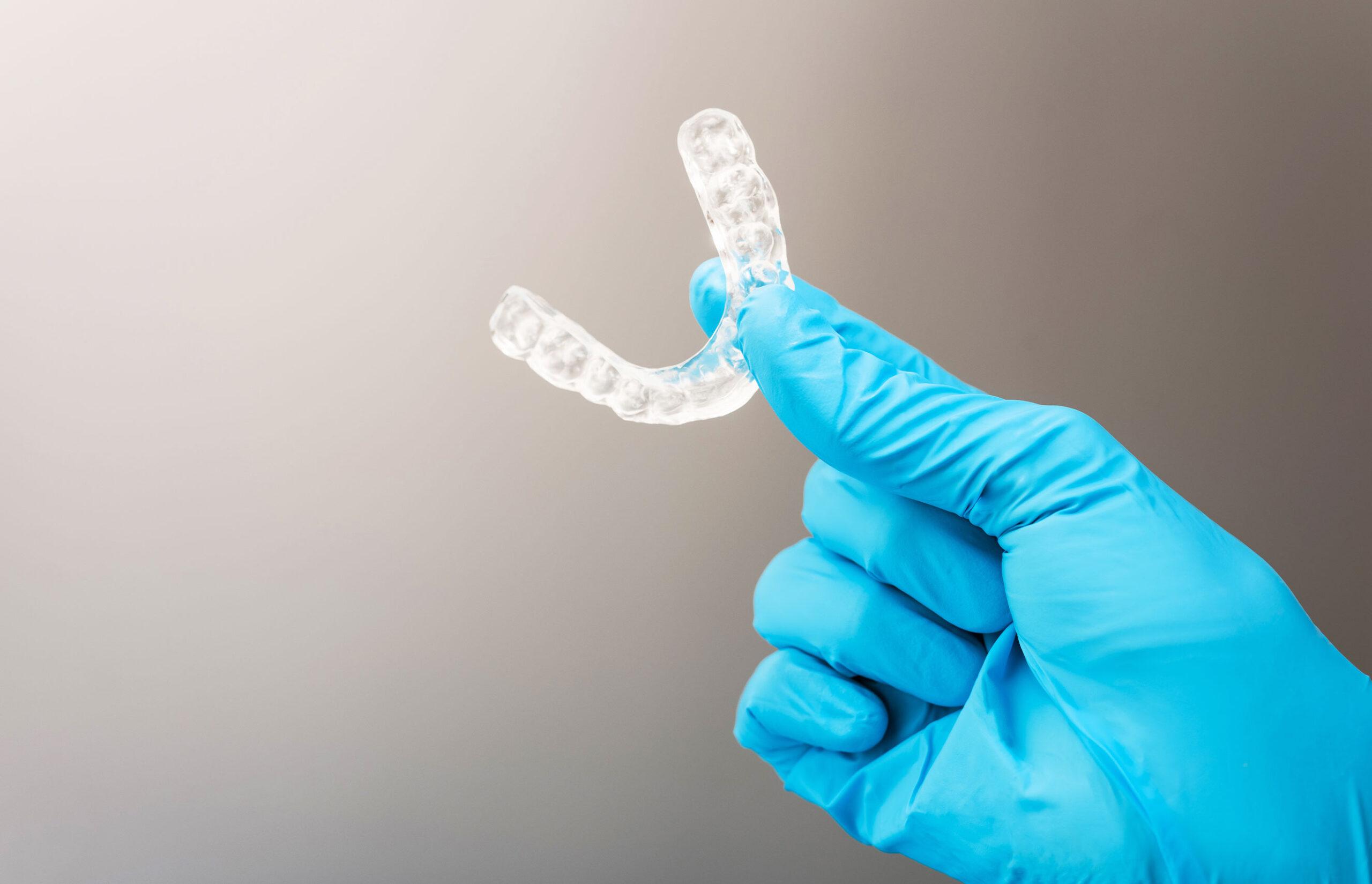
TMJ therapy begins with an evaluation of jaw movement, bite alignment, and muscle activity. Based on your assessment, your dentist may discuss a range of supportive care options tailored to your needs.
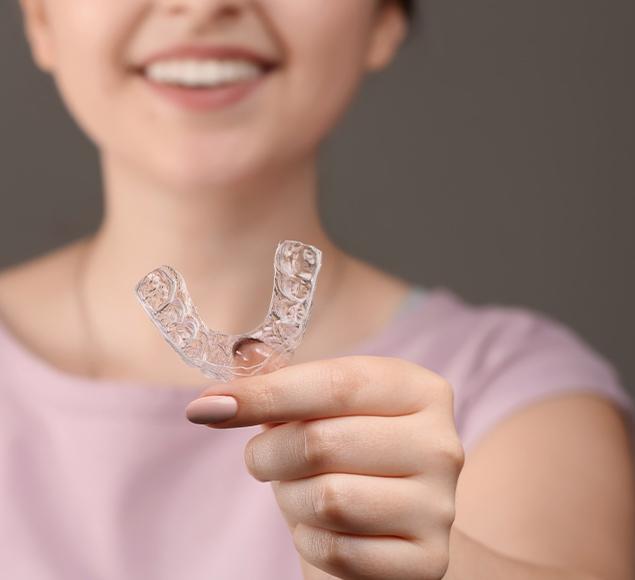
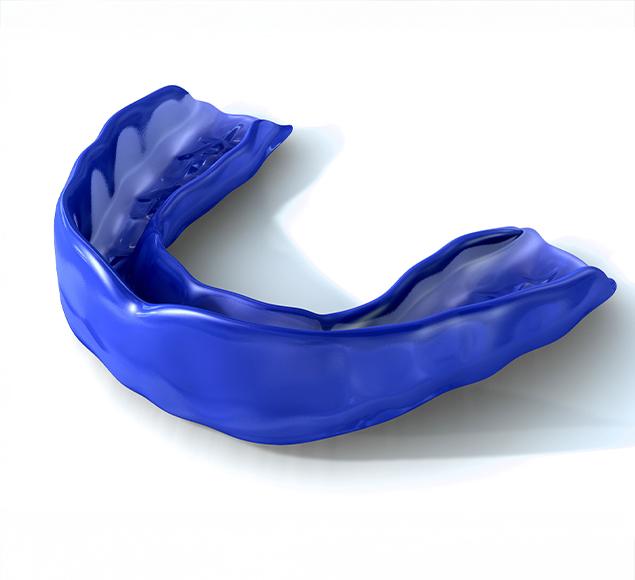
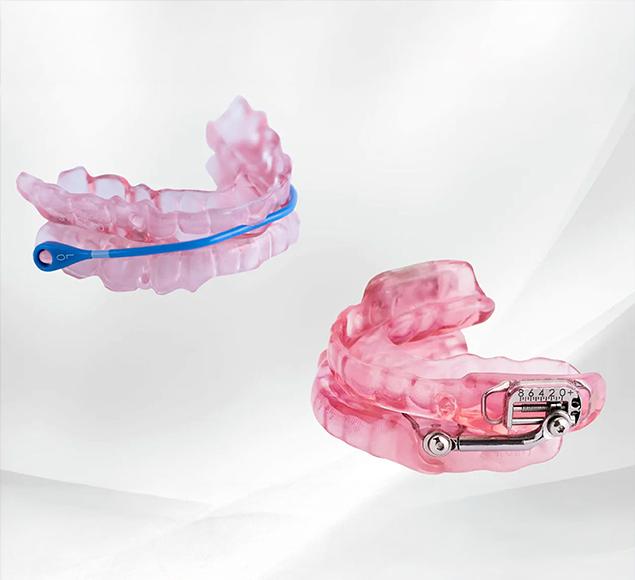
Recommendations may include education on jaw habits, guidance on home care strategies, or the use of dental appliances designed to reduce strain on the jaw. In some cases, collaboration with other health care providers may be suggested as part of a broader approach to care.
Treatment recommendations are based on individual assessment and discussed in advance.